
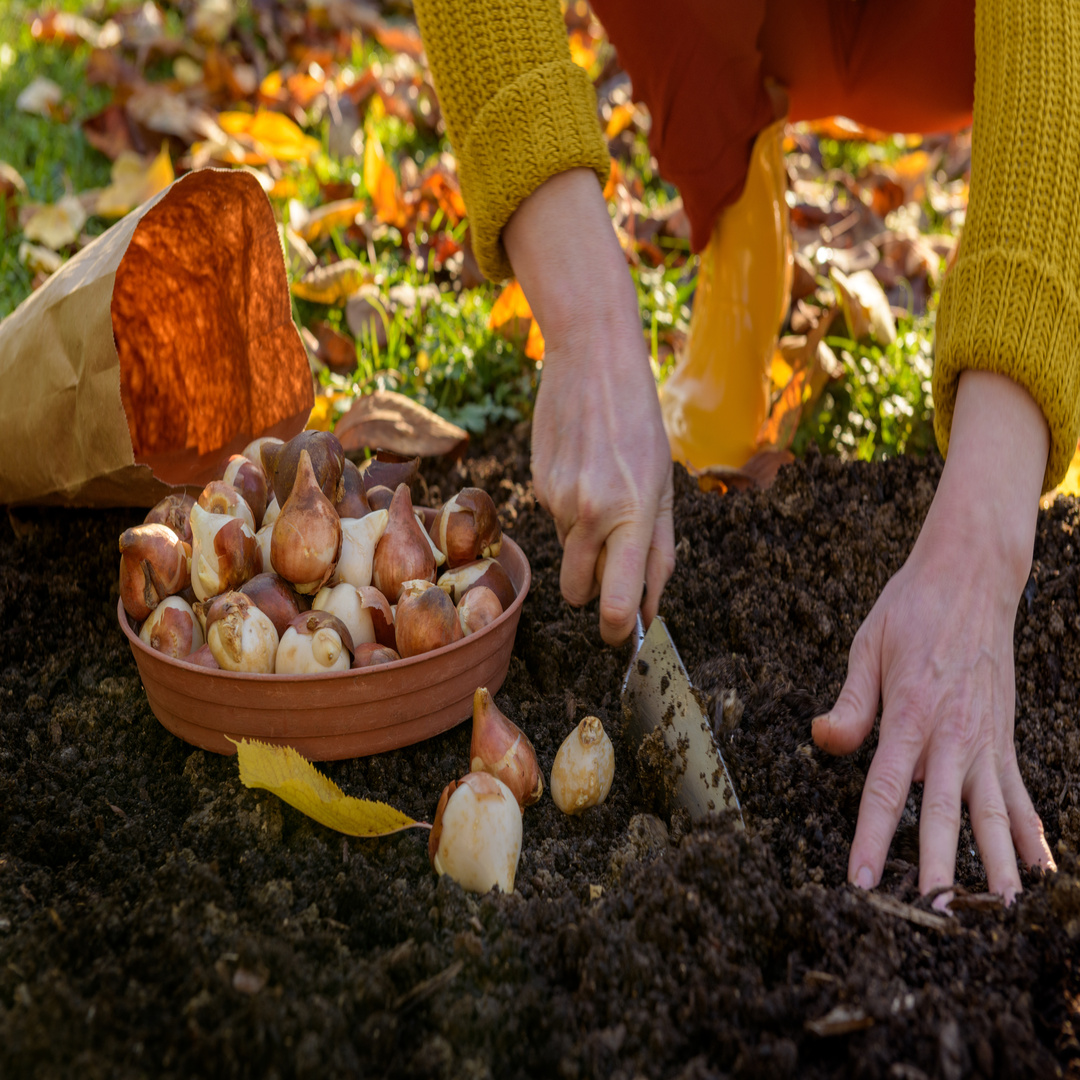
Your future self will thank you for the work you put in this autumn. While most people pack away their gardening tools when the leaves start falling, smart gardeners know that fall holds the key to creating something beautiful come spring.
Think about it: every intentional choice you make now sets the stage for what grows later. Your garden mirrors life in this way—the seeds you plant today, both literally and metaphorically, determine tomorrow’s harvest.
Read on and learn smart fall gardening tips so your spring is bountiful.
Why Fall Gardening Matters More Than You Think
Fall gardening isn’t just about cleanup. You’re investing in a vision that will unfold over the coming months. The cooler temperatures and increased rainfall create perfect conditions for root development, giving plants a head start that summer planting simply can’t match.
Plant Your Spring Dreams Now
Choose bulbs with intention. Tulips, daffodils, and crocuses need the cold winter months to bloom properly. Plant them 6–8 weeks before your first hard frost. The work now is just a reminder that beauty takes time and patience.
Want your garden to have more fullness? Add perennials to the plan. Hostas, daylilies, and black-eyed Susans establish stronger root systems when planted in fall. This mirrors the power of building sustainable practices rather than chasing quick fixes.
Don’t Forget About Growing Your Own Food
Your garden can also be a haven for growing your own food. Fall gardening is also the perfect time to plan out spring’s food harvest. A lot of fruit and vegetable plants go dormant in the winter, but that doesn’t mean you should wait until spring to plant.
Prepare Your Soil Like You’re Building a Foundation
Healthy soil creates healthy plants. Test your soil’s pH and nutrient levels—most plants thrive in slightly acidic to neutral soil (6.0-7.0 pH). Add organic matter like compost or well-rotted manure to improve soil structure and fertility. Your garden needs this foundational work to flourish.
Clean Up with Purpose
Probably the fall gardening step that people like the least—the cleanup. Remove diseased plants and fallen fruit to prevent problems next year. Rake leaves onto garden beds as natural mulch—they’ll break down over winter, feeding the soil. Divide overcrowded perennials and share extras with friends or neighbors.
Intentionality Tip: This process of clearing away what no longer serves while preserving what has value applies beyond gardening. Take time to assess what habits, relationships, and commitments deserve your energy moving forward.
Protect What You’ve Built
Mulch tender plants with straw or evergreen boughs after the ground begins to freeze. Wrap young trees in burlap to prevent winter damage. Drain and store hoses to prevent freezing. These protective measures ensure your efforts survive the harsh season ahead.
Your Garden, Your Growth
Fall gardening teaches patience, planning, and faith in unseen growth. You plant seeds without seeing immediate results, trusting the process to unfold naturally. This mindset serves you well beyond the garden gate.
Start small if you’re new to gardening. Plant a few bulbs or start that compost bin. Each action moves you closer to the sustainable, intentional life you’re building.
Your spring garden starts with today’s choices. What will you plant?