
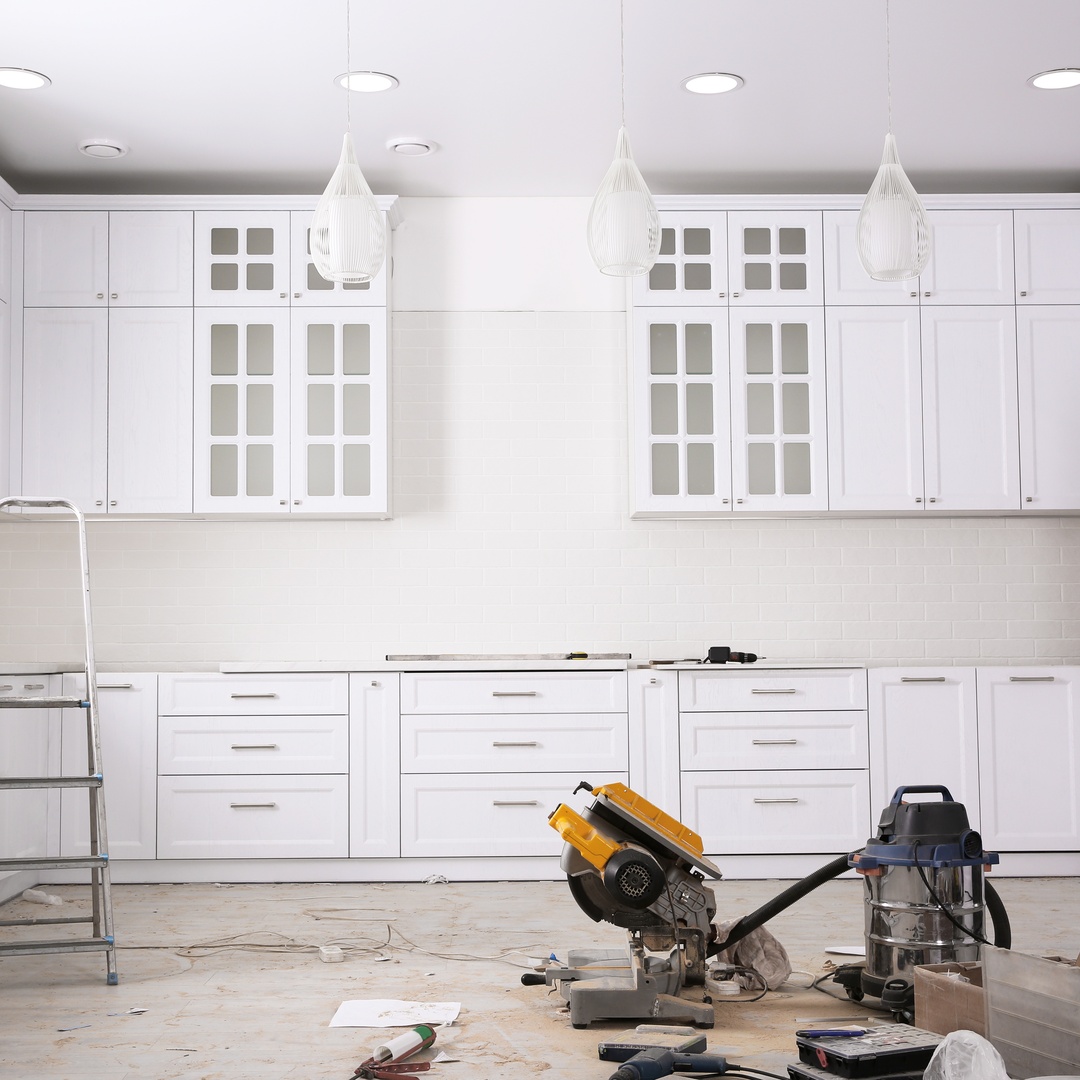
A home remodel can check every box on paper and still feel strangely unfinished. The paint is fresh, the floors are new, and the big-ticket upgrades are in place. And yet, something feels slightly off.
Often, what’s missing isn’t another purchase—it’s intention. The spaces that feel calm, cohesive, and fully realized are usually shaped by small, consistent decisions. Consider these design elements that make a remodel feel complete.
Cohesive Trim and Subtle Transitions
Baseboards, door casings, and window trim quietly frame your entire home. When these elements are consistent in style and scale, rooms can feel more connected, especially when everything else is updated. Transitions matter, too. The way flooring shifts from one room to another, the way walls meet ceilings, and the way functional pieces blend into the background all impact a home’s appearance.
Even practical features like heaters can enhance a space when they look clean and fresh. Baseboard heater covers add value during a remodel because they align with updated trim and flooring. Small refinements in these in-between areas often create a stronger sense of completion than a dramatic statement piece ever could.
Consistency in Hardware and Finishes
A quiet disruptor of home design is scattered finishes. A brushed nickel faucet paired with matte black handles and polished chrome lighting can make a space feel accidental rather than intentional.
Making a remodel feel complete means choosing a clear direction. That might mean committing to one primary metal or intentionally pairing two finishes that share a similar tone. When cabinet pulls, light fixtures, and door hardware feel like they belong in the same space, the room settles. These decisions don’t need to be expensive, but they do need to be consistent.
Lighting That Supports Real Life
Lighting is frequently installed at the end of a project, sometimes as an afterthought. But layered lighting that includes ambient, task, and accent options gives depth and intention to a room.
Overhead lights provide functional illumination, while task lighting supports cooking, reading, or working. Softer accent lighting adds warmth to rooms in the evenings. When lighting reflects how you actually live, the space feels aligned with your lifestyle.
Space To Breathe
Finally, using design elements to make a remodel feel complete isn’t about filling every corner. It’s about knowing when to take a step back. Leave a shelf partially open, allow a wall to remain uncluttered, and provide ample space for different furniture pieces. A finished room doesn’t feel crowded; it feels clear.
A home remodel is ultimately about shaping the environment that shapes you. When the details are cohesive, transitions are smooth, and even the overlooked elements are thoughtfully considered, your space feels grounded. And when your environment feels grounded, it becomes easier to live with intention.