
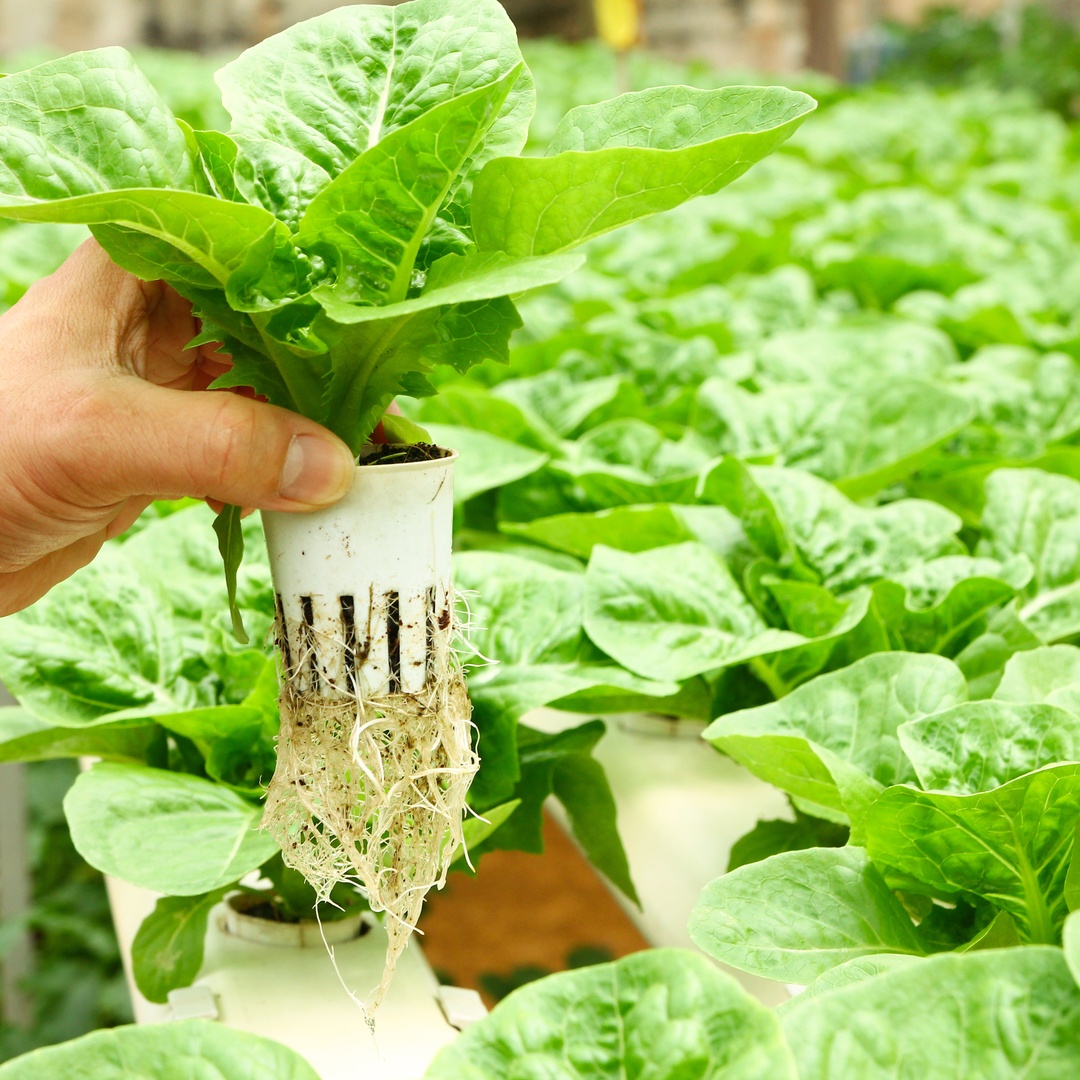
Hydroponics offers a revolutionary way to grow fresh produce year-round without soil, but success ultimately depends on choosing the right crops for your specific setup. While many vegetables can adapt to water-based environments, you must meet their unique needs for them to thrive. Understanding the critical factors for selecting hydroponic plants will help you avoid common pitfalls and ensure a bountiful harvest.
Nutrient Requirements
Every plant has a unique nutritional profile required for optimal growth. In a hydroponic system, you are responsible for providing 100% of these minerals through the water solution. Leafy greens like lettuce and spinach generally require high-nitrogen formulas to promote foliage growth. Fruiting crops like tomatoes and peppers demand higher levels of phosphorus and potassium to support flower and fruit production. It is crucial to group crops with similar nutrient needs together to prevent deficiencies or nutrient burn.
Size and Space
The physical constraints of your system are perhaps the most practical limitation to consider. A small countertop unit cannot support the sprawling vines of a pumpkin patch, nor can a vertical tower easily accommodate heavy root vegetables. You must consider the mature size of the crop before planting seeds. Researching dwarf varieties or compact cultivars is often the best strategy for finding plants that are perfect for your indoor hydroponic garden and its limited footprint.
Light Needs
Photosynthesis is the engine of plant growth, and in an indoor setting, you must provide the appropriate lighting. Different species have vastly different light requirements. Herbs and greens can often thrive under lower light intensities or fluorescent bulbs, making them economical choices. However, fruiting plants require high-intensity discharge lamps or full-spectrum LEDs run for longer durations to produce enough energy for fruiting. Always match your crop selection to the strength and coverage of your lighting system.
pH Levels
The acidity or alkalinity of your water, measured by pH, dictates how well roots can absorb nutrients. If the pH drifts outside a plant’s preferred range, it can suffer from nutrient lockout even if the minerals are present in the water. Most hydroponic crops prefer a slightly acidic environment, typically between 5.5 and 6.5, but specific needs vary. Maintaining the appropriate pH range is a non-negotiable aspect of system maintenance to facilitate proper nutrient absorption.
Building a successful soil-free garden requires a balance of chemistry, lighting, and spatial planning. By keeping these factors for selecting hydroponic plants in mind, you can create an environment where your crops flourish.