
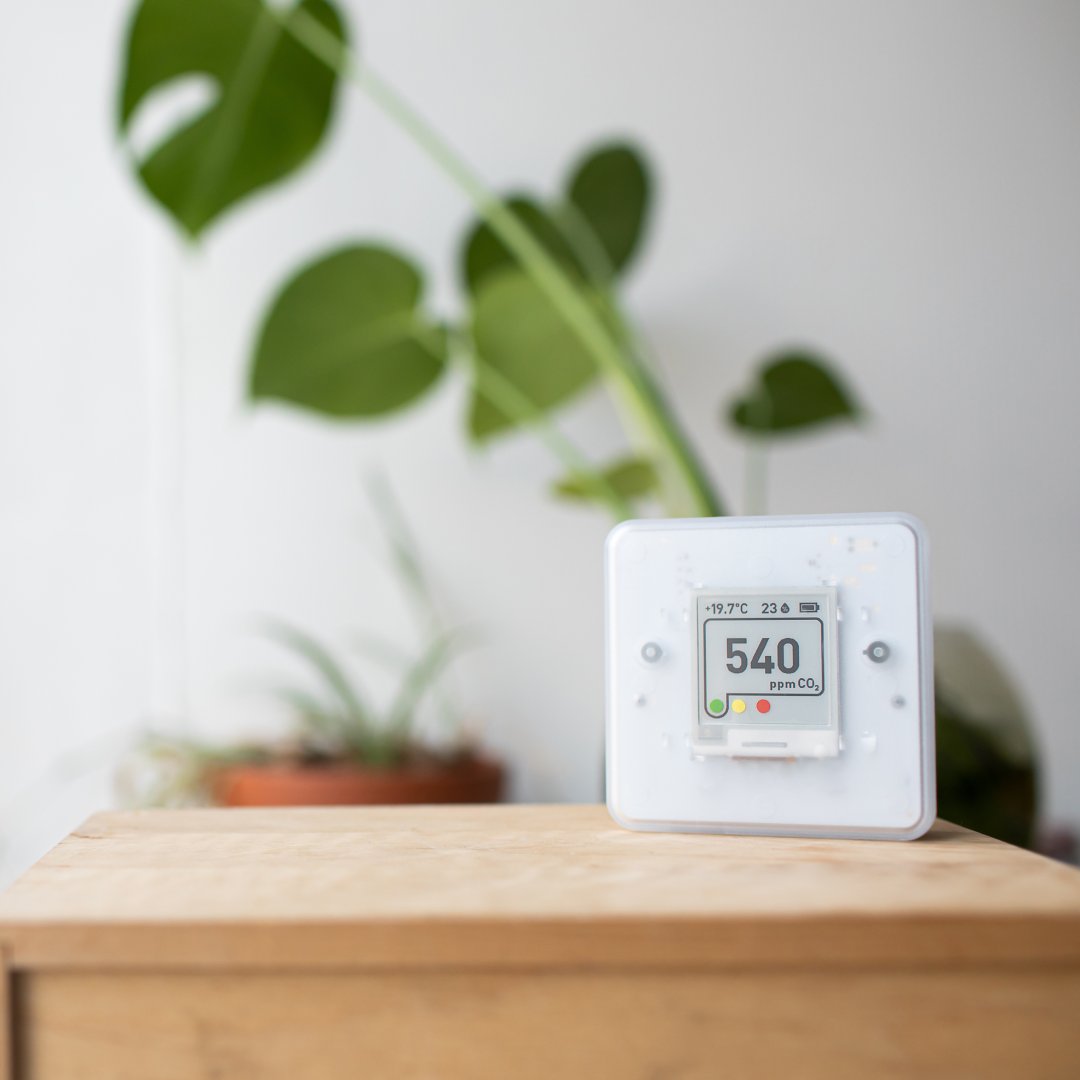
Older homes have a unique charm, with stories embedded in their very foundations. But they can also hide airborne irritants that affect your well-being. If you’re looking to create a healthier living space, learning how to improve air quality in older homes is a great first step toward a more mindful yet practical lifestyle.
This guide will walk you through simple, effective methods to refresh the air inside your house. You’ll discover practical tips that go beyond just opening a window, helping you create a cleaner, more intentional environment for you and your family to enjoy.
Check Your Home’s Ventilation
Proper ventilation is the first step to good indoor air quality. In many older homes, original designs might not meet modern standards for air exchange, which can trap pollutants inside. Start by inspecting existing vents in your kitchen and bathrooms to confirm they are clean and functional. On a related note, using exhaust fans whenever you cook or shower helps expel excess moisture and contaminants directly outside, protecting your air quality.
Get Your Ducts Cleaned
Over the years, dust, dander, and other debris accumulate inside your home’s ductwork. This buildup can circulate throughout your house every time the heating or cooling system turns on. Scheduling a professional duct cleaning can remove these hidden contaminants. A clean system promotes better air quality and allows your HVAC unit to operate more efficiently and reliably, which is a win for both your health and your energy bills.
Bring in Plants and Air Purifiers
Houseplants are a beautiful and natural way to filter the air. Species like Snake Plants, Spider Plants, and Peace Lilies are known for removing common indoor toxins. For an extra layer of filtration, an air purifier with a HEPA filter can capture fine particles that plants might miss. Placing additional plants and purifiers in high-traffic areas, such as the living room or bedroom, is an inexpensive and sustainable way to keep your air clean.
Opt for Natural Cleaning Products
Many conventional cleaning products release volatile organic compounds (VOCs) that can linger in the air long after you’ve finished cleaning. A simple switch to natural alternatives made with ingredients like vinegar, baking soda, and essential oils can greatly improve your indoor environment. There’s also a clear link between indoor air quality and odors, and using natural products can leave your home smelling fresh without harsh chemicals.
A Path to a Cleaner, Healthier Home
Creating a healthy sanctuary within an older house may seem complex at first, but it is certainly achievable. By focusing on ventilation, keeping ducts clean, introducing natural filters, and choosing eco-friendly products, you can improve the air quality of your older home while helping the environment.
No need to do it all at once! Sustainable, healthy living takes time. Keep your family healthy while keeping your older home’s charm with these tips.