
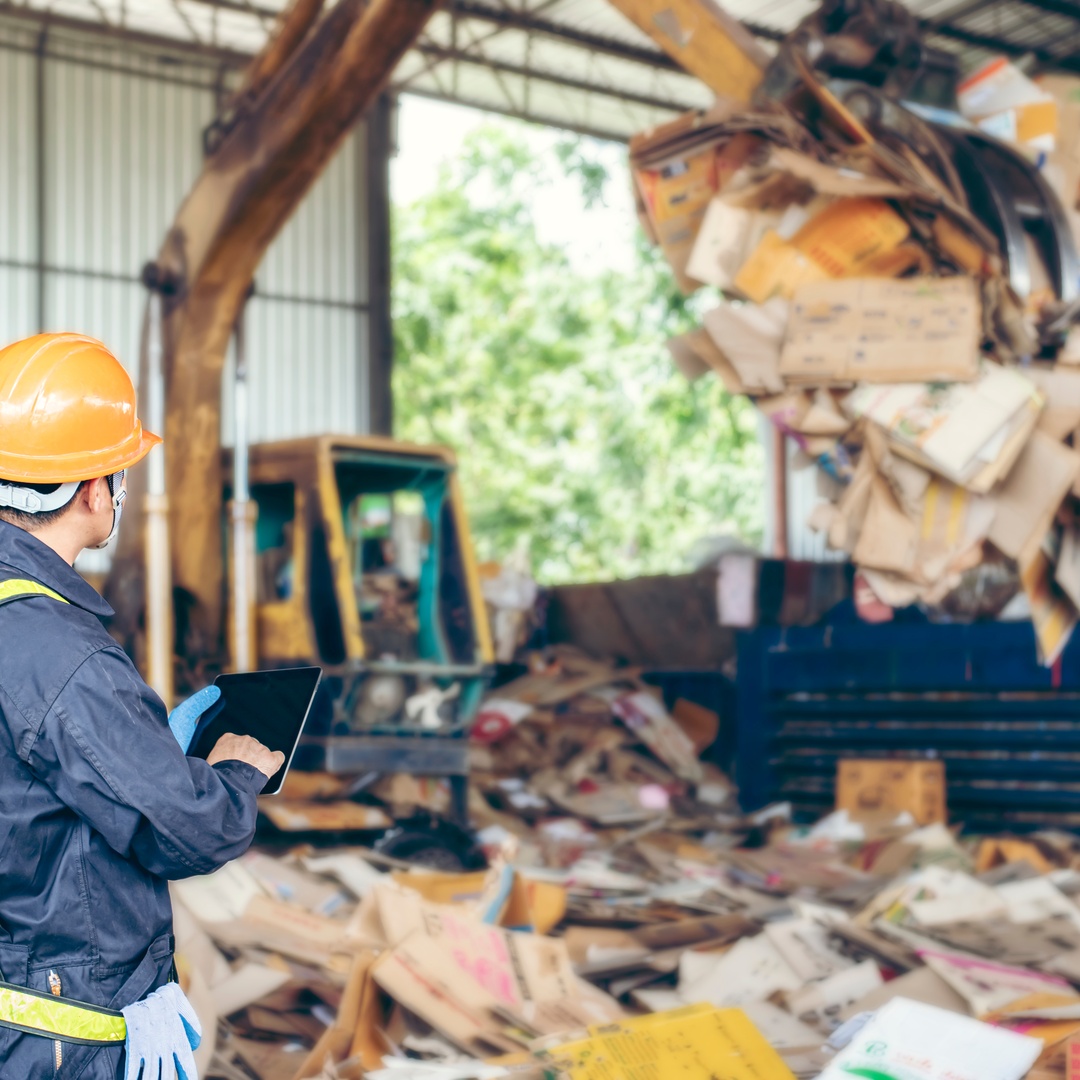
Recycling is often considered the gold standard of sustainability efforts. While it plays a crucial role in reducing waste, there’s much more to the recycling industry than meets the eye. Behind the scenes, critical processes, challenges, and misconceptions shape how we recycle and reuse various materials. Here are a few secrets about the recycling industry everyone should know.
Not All Recycling Plants Are Created Equal
Recycling facilities vary widely in terms of capability and efficiency. Some employ cutting-edge technology, like advanced sorting systems, while others rely on manual labor and outdated methods. Efficient facilities process higher volumes of recyclable materials with lower contamination rates, which directly impacts how much waste is successfully recycled.
For example, facilities with optical sorters are better equipped to sort multiple types of plastics, ensuring a higher recovery rate. The type of facility your recyclables end up in has a significant impact on their chances of being reused, but unfortunately, not all materials are fortunate enough to end up in advanced plants.
The Universal Recycling Symbol Isn’t Always Honest
That triangle with arrows on packaging is unfortunately misleading. Many see it as a universal sign that something is recyclable, but it’s not that simple. The symbol often serves as a resin identification code for plastics, denoting the type of plastic used rather than its recyclability.
Local recycling programs differ in capacity and capabilities, so an item that is recyclable in one city might end up in a landfill elsewhere. Always check with your local recycling guidelines to avoid contamination in recycling bins.
Wish-Cycling Does More Harm Than Good
Wish-cycling, or the act of putting questionable items in the recycling bin “just in case,” often leads to more problems than solutions. When non-recyclable items like greasy pizza boxes or plastic bags end up in recycling systems, they contaminate the entire batch.
Contamination makes otherwise recyclable materials unusable, leading to significant waste. It’s better to research whether an item is genuinely recyclable than hope it is.
The Convenience of Single-Stream Recycling Comes at a Cost
Single-stream recycling, where all recyclables go into one bin, has made recycling much more convenient for consumers. However, the downside is higher contamination rates. When glass, plastics, and paper mix together, items often get soiled or broken, reducing their value or rendering them unrecyclable. This is where the importance of gaylord boxes in the recycling industry becomes evident.
These heavy-duty containers protect recyclable materials as they are stored and transported, ensuring they remain in good condition throughout the recycling process. Without such safeguards, contamination issues could balloon even further, leading to more waste.
Knowing these secrets can help everyone make more informed recycling choices for the industry. Understanding the challenges of the recycling process, the need for efficiency, and the importance of segregating materials is vital for reducing waste. While recycling isn’t perfect, adopting smarter practices like checking local guidelines, avoiding wish-cycling, and supporting programs that invest in advanced solutions can make a tangible difference.