
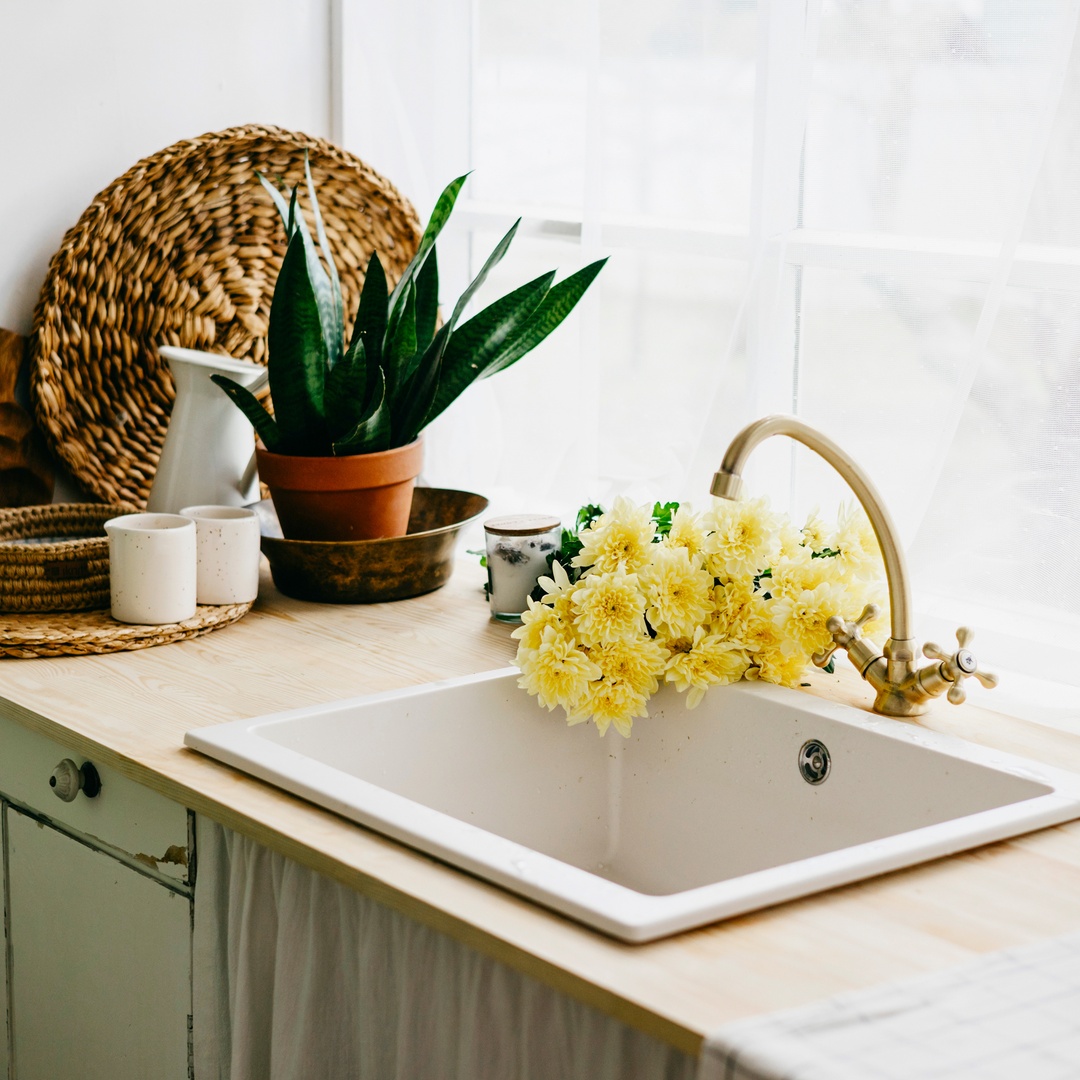
Farmhouse sinks are rising in popularity, and for good reasons. These distinctive fixtures bring functionality and visual appeal to kitchens across different design styles. Their deep basin and exposed front panel create a statement piece that adapts surprisingly well to various aesthetic preferences.
The versatility of farmhouse sinks stems from their timeless design elements and practical benefits. Whether you’re renovating a sleek contemporary space or preserving a traditional kitchen’s charm, farmhouse sinks offer flexibility that work exceptionally for a range of other aesthetics.
They Complement Modern Kitchens
Modern kitchens benefit from the striking contrast that farmhouse sinks provide. The clean lines and exposed apron front create visual interest against sleek cabinetry and minimalist design elements. Stainless steel farmhouse sinks work particularly well in contemporary spaces, offering durability while maintaining the streamlined aesthetic that modern design demands.
The substantial size of these sinks also supports the functionality that modern cooks require. Large pots, baking sheets, and everyday dishes fit comfortably in the generous basin, making meal preparation and cleanup more efficient.
They Suit Traditional Kitchens
Traditional kitchen designs naturally embrace farmhouse sinks, as both share historical roots and classic appeal. White ceramic or fireclay options complement traditional cabinetry, crown molding, and decorative hardware beautifully. The exposed front panel adds architectural interest that enhances the overall traditional aesthetic.
These sinks work especially well with raised-panel cabinet doors and classic color palettes. When choosing between a farmhouse or an undermount sink for traditional spaces, the farmhouse option provides the authentic period details that complete the look.
They Blend With Transitional Kitchens
Transitional kitchens, which combine traditional and contemporary elements, find the perfect balance with farmhouse sinks. These fixtures bridge the gap between classic charm and modern functionality, making them ideal for transitional design schemes.
The clean yet substantial profile of a farmhouse sink complements painted and natural wood cabinetry. Neutral colors like white, cream, or soft gray work seamlessly with the mixed materials and finishes common in transitional kitchens.
They Enhance Rustic Kitchens
Rustic kitchen designs showcase farmhouse sinks at their most natural. Copper farmhouse sinks develop a beautiful patina over time, adding character that perfectly suits rustic aesthetics. Natural stone or reclaimed wood elements in rustic kitchens create the ideal backdrop for these statement sinks.
The handcrafted appearance of many farmhouse sinks aligns with the artisanal qualities that rustic design celebrates. Whether paired with exposed beams, brick backsplashes, or distressed finishes, these sinks enhance the authentic, lived-in feel that defines rustic style.
They Work With Industrial Design
Industrial kitchens gain warmth and character from farmhouse sinks. The substantial presence of these fixtures balances the hard edges and raw materials typical of industrial design. Stainless steel options complement exposed ductwork and metal finishes, while maintaining the utilitarian aesthetic that industrial style embraces.
The practical nature of farmhouse sinks aligns with industrial design’s focus on function over form, though they certainly provide in equal measure.
Farmhouse sinks demonstrate remarkable adaptability across a range of design aesthetics because they combine form and function in ways that transcend trends. Their generous proportions, practical benefits, and distinctive appearance work harmoniously with various aesthetic approaches, from ultra-modern to authentically rustic.