
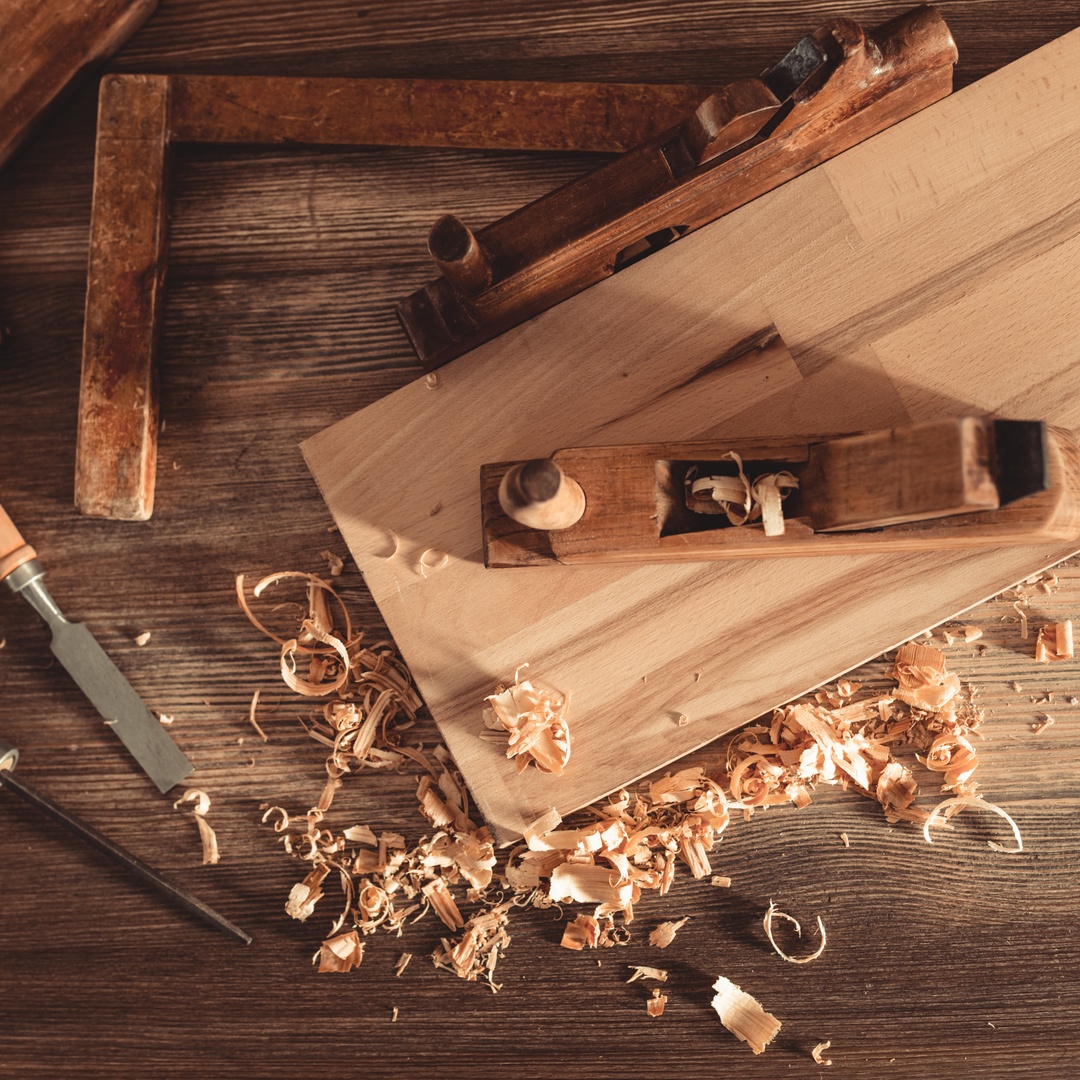
We spend so much of our lives consuming content on screens that we often forget the deep satisfaction of creating something tangible. Woodworking offers a powerful antidote to digital burnout. It forces you to slow down, think critically, and use your hands to shape your environment. You don’t need a massive workshop or a trust fund to start building furniture. You just need intention and a few reliable tools.
Building a starter kit requires wise choices. You want equipment that grows with you, not cheap gadgets that break after one project. Here are some tools that make up a starter woodworking kit that you’ll use repeatedly as your skills grow.
The Foundation of Accuracy
You cannot build what you cannot measure. If your measurements drift, your project fails. Start with a high-quality tape measure. Look for one with a standout of at least 10 feet, which allows you to measure long boards without help.
Pair your tape measure with a speed square. This simple triangular tool fits in your back pocket and serves multiple purposes. It marks 90 degree and 45 degree angles quickly. You can also use it as a guide for your saw to ensure perfectly straight cuts. Accuracy here saves you frustration later.
The Versatile Cutter
Stationary table saws take up space and cost a fortune. For a starter kit, a circular saw makes the most sense. This portable powerhouse handles almost every cut you need. You can rip through plywood sheets or crosscut 2×4 lumber with ease.
Choose a corded model if you want consistent power without managing batteries, or go cordless for freedom of movement. If you clamp a straight edge to your wood, a circular saw cuts just as accurately as larger, more expensive machines.
The Driver of Progress
A cordless drill sits at the heart of every workshop. You will reach for this tool more than just about any other. It bores holes and drives screws to hold your projects together. When you look up beginner woodworking projects that look great, you will notice most of them rely on simple screw joinery. A reliable drill makes those connections possible.
Consider investing in a drill and impact driver combo kit. The drill makes the holes, and the impact driver sinks the screws with massive torque. This prevents you from stripping screw heads and speeds up your workflow significantly.
Smooth Finishes
Sanding separates amateur work from professional results. While you can sand by hand, a random orbital sander saves you hours of labor. It spins and oscillates simultaneously, which prevents scratch patterns on the wood surface.
Stock up on sanding discs in various grits. Start with 80 grit to remove material quickly, then move to 120, and finish with 220 for a surface that feels like glass.
Protect Yourself
Woodworking involves sharp blades and flying dust. You must prioritize your safety to keep creating long-term. Essential safety gear includes:
- Safety Glasses: Protect your eyes from debris and dust.
- Hearing Protection: Saws and drills generate noise levels that damage hearing over time.
- Dust Mask: Keep sawdust out of your lungs, especially when working with treated lumber or plywood.
You now possess the knowledge to assemble a capable workshop filled with starter woodworking tools. These tools allow you to transform raw lumber into functional art. Don’t wait for the perfect moment or a larger budget. Buy the essentials, pick a plan, and make your first cut. The most important thing is that you start.